Can AI Search Algorithms Predict Ranking Results?
There are no rankings in AI actions, simply points out or silence. The focus shifts from keyword-based searches to conversational queries, where the essential question is whether AI recommends you at all, not where you rank. Rates vary from around $29 to several thousand dollars per month depending on functions, scale, and whether you need business contracts.
Otterly AI and Knowatoa AI sit in the $29$59/month variety for teams focused mostly on LLM and sentiment tracking. Peec AI begins at 89/month and Profound AI begins at $99/month for entry-level access.

Beyond those basics, track Gemini, Claude, and AI Mode if you have the spending plan and capability. Emerging platforms like Grok, DeepSeek, and Llama deserve viewing, but not important yet unless your particular audience heavily utilizes them. A lot of AI search monitoring tools automatically cover the major platforms, so your choice of tool frequently identifies which AI-powered online search engine you're tracking.
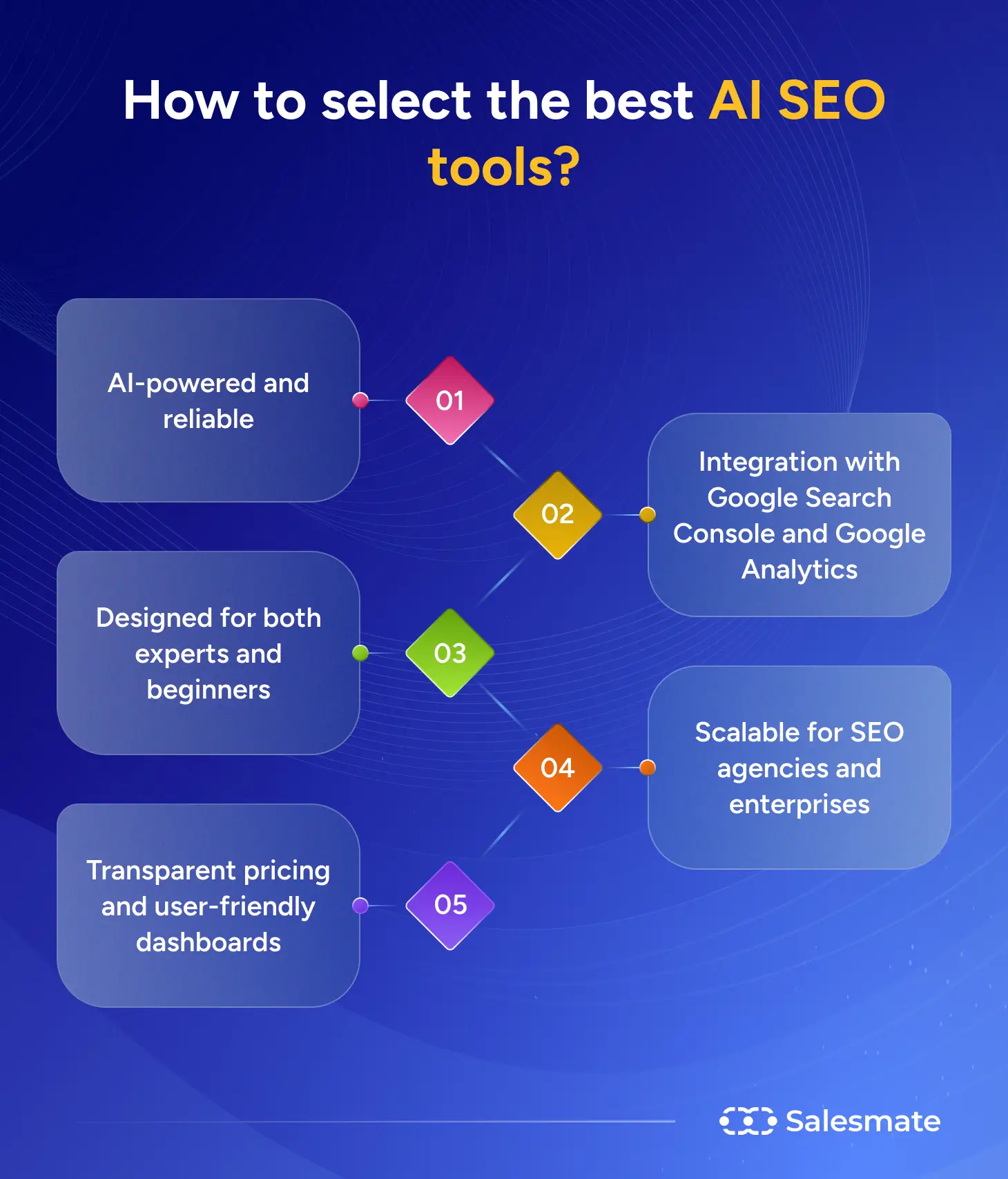
ChatGPT, Perplexity, and Google AI Overviews are addressing concerns that used to drive traffic to your website, and if you're not monitoring your brand name presence in these AI actions, you're flying blind. The tools covered here differ significantly in scope. Some concentrate on LLM mention tracking alone, while others cover the full pipeline from search engine queries through citation-level sentiment.
Can AI Search Algorithms Improve Ranking Results?
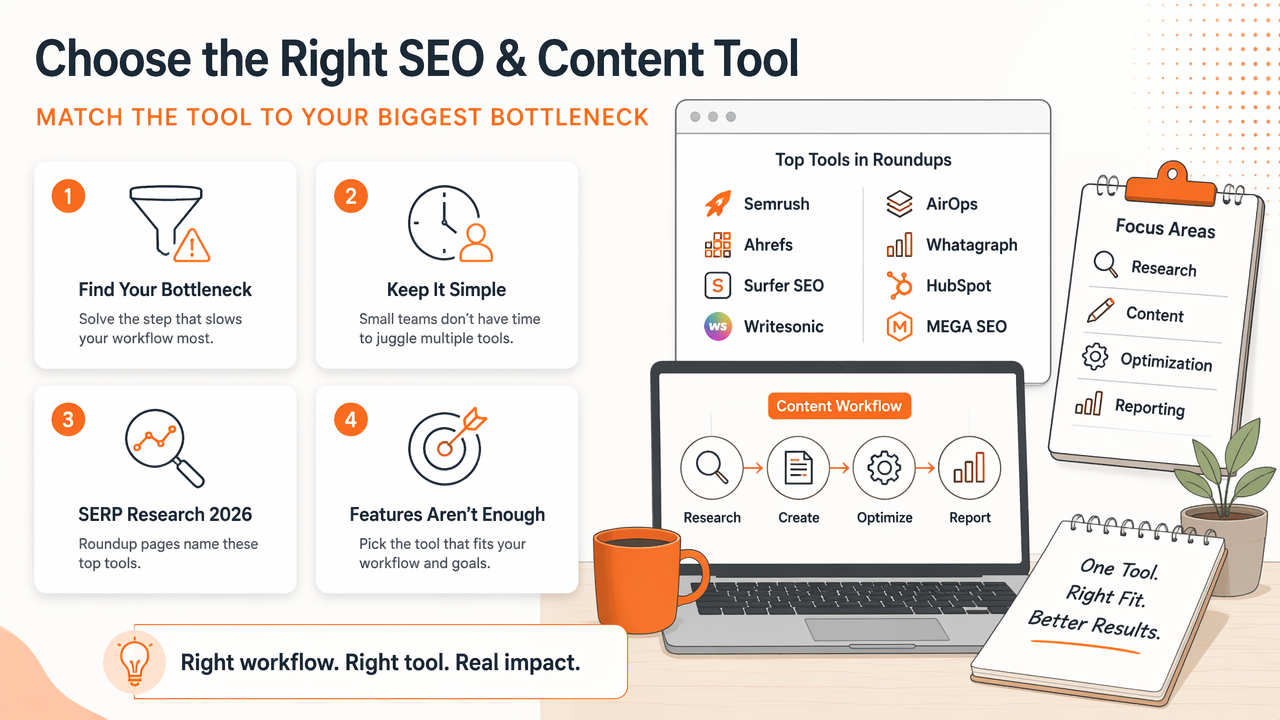
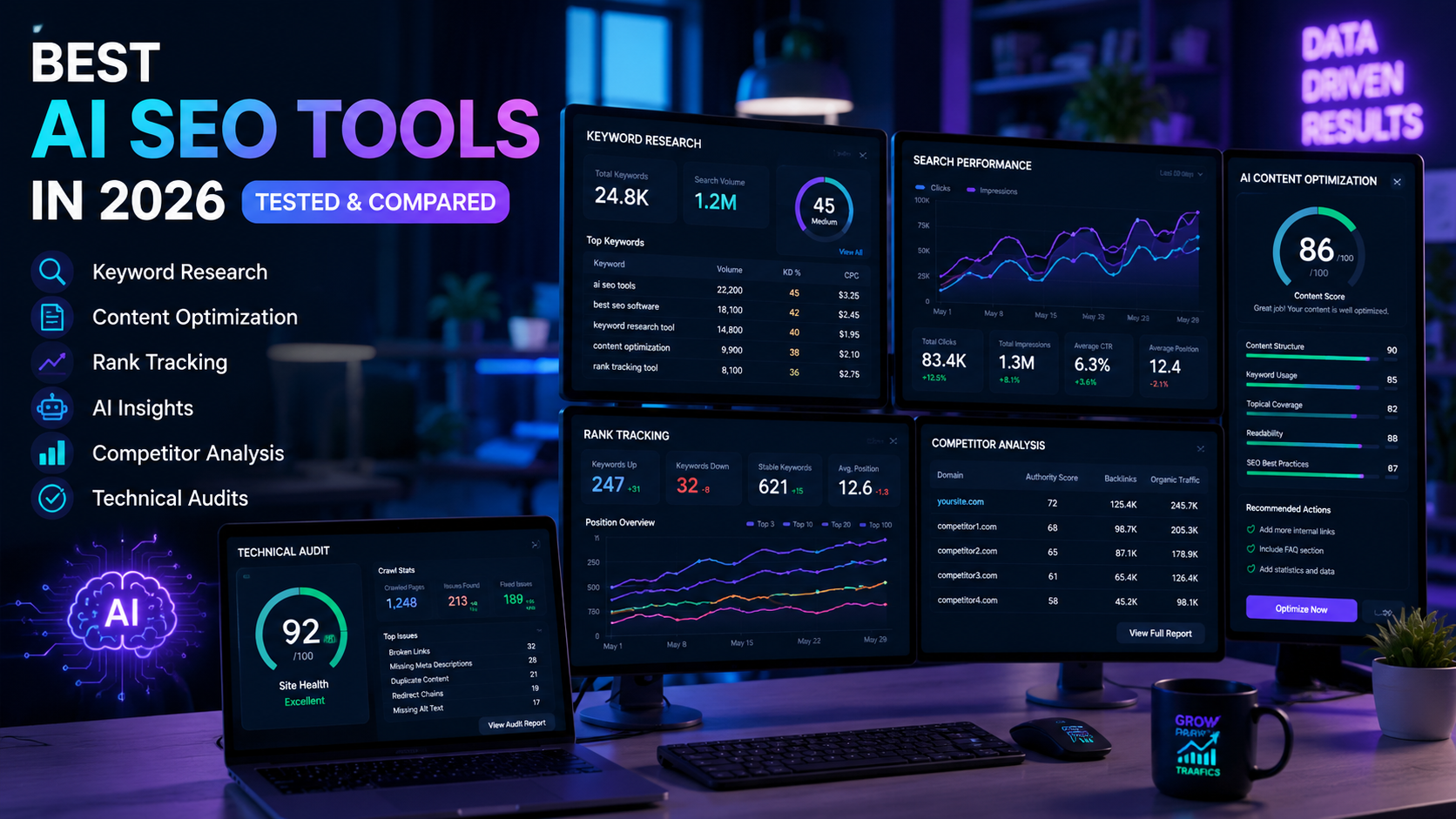
For teams that require a total view of AI visibility, Nightwatch is the clear option. It's the only platform that integrates LLM tracking, the searches AI systems carry out for real-time responses, trigger research, and citation-level sentiment analysis along with standard SEO rank trackingall beginning at $32/month. You get the complete photo of your search visibility without managing numerous tools or paying business prices.
Contents The fastest wins originate from signals you already influence: your positioning, your proof, and where your brand reveals up. When we say "AI search ranking elements," we're truly discussing levers that increase your possibility of being cited (quoted as a source) or advised (called as a vendor). Citations develop authority; recommendations construct pipelines.
That's where offers start. 2 mental designs we share with CMOs: Citations = proof. Designs look for owned realities: criteria, case research studies, documentation. Suggestions = importance + credibility. Models triangulate your category, ICP fit, evaluations, and credible lists. Frame your roadmap around those 2, and the noise drops. The list below is conversational by style.
Analyzing Manual Workflows to Automated SEO SuccessIf you desire AI to put you on the right shortlist, tell it everywhere exactly what you are and who you're for. I have actually seen recommendations turn with one qualifier: add "enterprise" to the prompt, and the list modifications. That's your cue. Use precise category language on your site and in third-party profiles and reviews: "Enterprise B2B marketing firm," "MVP launch partner," "Health care app development for payers," whatever in fact fits you.
Traditional SEO Vs. Smart Machine Learning Solutions
If purchasers and experts rely on a list, presume the design does too. I'm not talking about spammy "submit your site" lists.
Get the reference anyhow. AI assistants often reflect these lists when assembling vendor suggestions. Do this now: pick 1015 reliable lists per category, pitch with a one-pager of outcomes and called logos, and politely demand inclusion.
First-party truths are stickiest. Designs "hunt" for numbers and specifics. If your website houses real criteria, measured case research studies, and sincere "how it works" articles, you'll get mentioned regularly, and that authority bleeds into suggestions later on. To educate LLMs about your brand name, host assets on your domain (not only on a marketing platform), and make a minimum of a few of them accessible to crawlers.
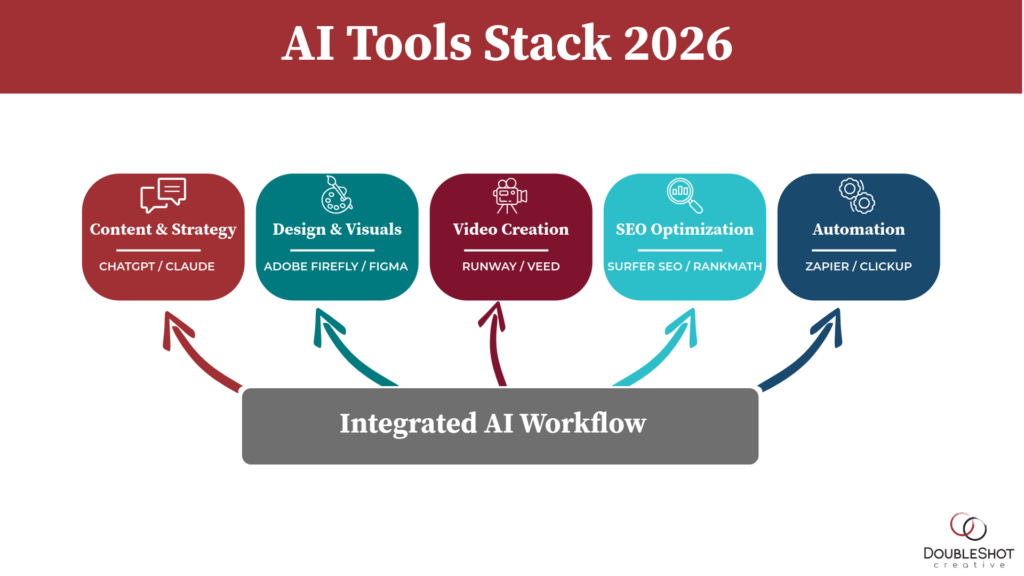
How Smart SEO Tech Will Scale in 2026
Own the landing page that buyers anticipate to exist. They release piles of generic blogs but no particular landing pages.
Construct each page like a tiny home page: outcome-first headline, evidence, process snapshot, FREQUENTLY ASKED QUESTION, and a reasonable CTA. Do this now: shortlist 812 high-value mixes and deliver them before you write another TOFU post. If you have actually got product or execution depth, reveal it. Docs are the quiet engine behind a great deal of citations.